Let’s Talk about Palm Oil: What You Need to Know
By Dr. Rizal Affandi Lukman - CPOPC Secretary General
Question 1: What is palm oil, and what makes it so important?
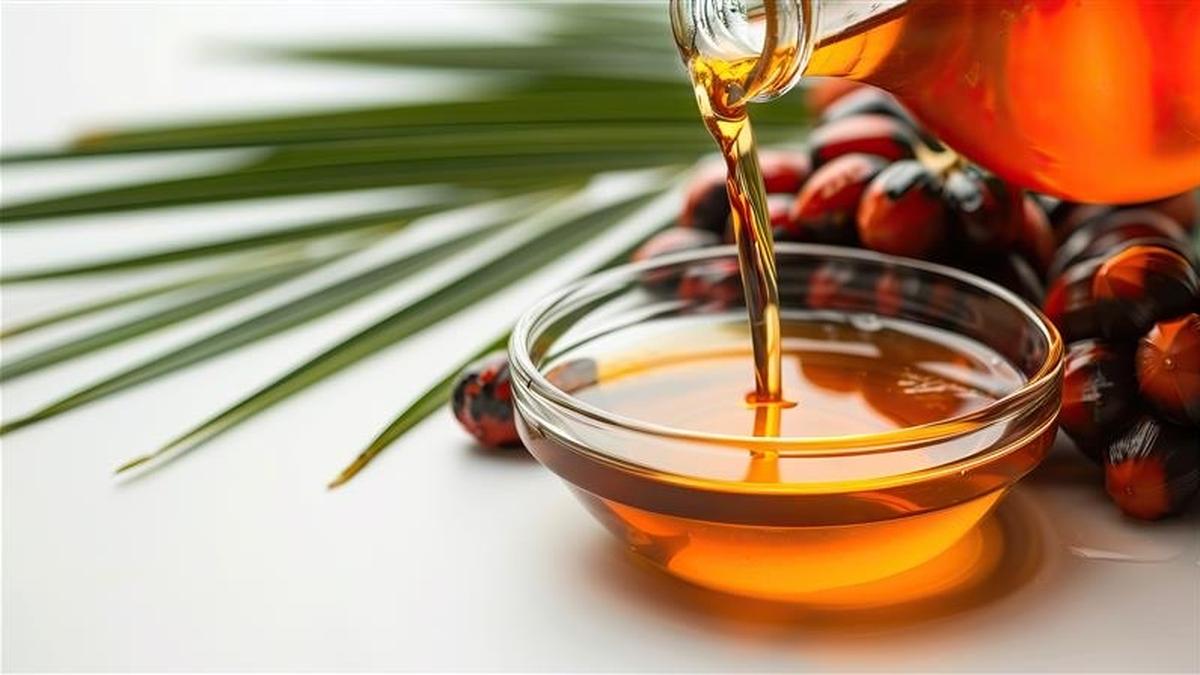
Answer: Palm oil (derived from the oil palm species Elaeis guineensis) is the most widely traded and consumed vegetable oil in the world. It is extracted from the mesocarp (flesh) of the oil palm fruit and refined to a golden yellow colour palm oil. During the physical refining process, fractionation of palm oil produces palm olein (liquid fraction) and palm stearin (solid fraction). Palm oil is mainly consumed as a cooking oil in the liquid form, palm olein, which contains a higher amount of unsaturation. Palm oil has a balanced fatty acid composition with about equal saturated fatty acids and unsaturated fatty acids, making the oil stable to oxidation. Palm oil is used in a wide range of products including both food and non-food applications due to its versatility as well as unique physical and chemical properties.
Question 2: Can palm oil be a part of healthy diet and is it actually good for you?
Answer: Yes, palm oil can be part of a healthy diet and provide beneficial nutrients when consumed in moderation. The key, as with any ingredient, is moderation and balance. Palm oil is one of the edible oils recognised by the Food and Agriculture Organization (FAO) and World Health Organization (WHO). Scientific evidence from credible research institutions worldwide has proven the nutritional benefits of palm oil. There is no adverse effect from palm oil and palmitic acid on cholesterol. Numerous human clinical trials have shown that palm olein and olive oil have similar effects on fasting plasma lipids. As palm oil has a unique and balanced composition of saturation and unsaturation, it does not require hydrogenation for use as a solid fat component, avoiding the formation of trans fatty acids. Trans fatty acids have been proven scientifically to have detrimental effects on health.
Question 3: What beneficial phytonutrients that are naturally present in palm oil?
Answer: Palm oil in its original form is rich in phytonutrients including carotenoids, tocols (tocopherols and tocotrienols), phytosterols and squalene. Although carotenoids are destroyed during refining process, refined palm oil retains other phytonutrients such as tocols (tocopherols and tocotrienols). Tocotrienols, a form of vitamin E, are antioxidants that are several times more potent than tocopherols and have been proven scientifically to possess anti-inflammatory and cholesterol-lowering properties. Alternatively, red palm oil which is processed using a mild processing technology, retains significant amount of these phytonutrients. As the name suggests, red palm oil preserves most of its natural carotenoids which give it the distinctive orange red colour. Palm oil is the richest natural source of carotenoids, particularly alpha- and beta-carotene, biologically active pro-vitamin A and a powerful antioxidant. Therefore, the consumption of nutritious red palm oil can provide beneficial antioxidants, supporting better overall health.
Question 4: What are the food uses of palm oil?
Answer: Palm oil has a balanced composition of saturated and unsaturated fatty acids, together with functional properties that enhance its performance in food processing and product stability. Due to its versatility and stability, palm oil is a key ingredient in the manufacturing of a wide range of food products. Palm olein, the liquid fraction of palm oil, is widely used as a cooking oil, particularly for deep frying, due to its resistance to oxidation and thermal degradation. Palm stearin, the solid fraction, is well-suited for the production of margarines, shortenings, and bakery fats, providing desirable texture and shelf stability in baked goods and pastries. Palm oil as well as its fractions and derivatives are found in many food products because of their functional and nutritional advantages. Common examples include vanaspati, chocolates, confectionery fats, snack foods such as potato chips, instant noodles and ice cream, just to name a few. These attributes make palm oil an essential component for the food industry.
Question 5: What are the diverse applications of palm oil beyond food?
Answer: Palm oil is used not only for food applications but also plays a crucial role in the manufacturing of non-food products that are part of our daily lives. These include personal care products for skin care, hair care, oral hygiene, body care as well as household cleaning products, for example. Oleochemicals which are produced from oils and fats, are important components in manufacturing these daily essentials taking into consideration these derivatives are able to be processed to achieve the desired texture or characteristics. More importantly, palm oil-based oleochemicals are renewable, plant-based and the sustainable alternative to replace fossil fuels-based petrochemical products, which are used in the manufacturing of these products. Palm oil is also used as a feedstock for the production of biofuels primarily in palm oil producing countries, which is a greener alternative for fossil fuels.
Question 6: How sustainable is palm oil production today?
Answer: Today, sustainability initiatives and efforts by palm oil producing countries have significantly transformed the oil palm industry, positioning palm oil as one of the most regulated and sustainable vegetable oils in the world. The Governments of Indonesia and Malaysia, the two largest palm oil producing countries have put in place policies and implemented strict regulations aimed at preventing deforestation, conserving biodiversity, and ensuring environmentally responsible production practices. Both countries have prohibited the expansion of land for new oil palm plantations, reinforcing their commitment to sustainable land use. More importantly, palm oil is the only vegetable oil subjected to the most stringent sustainable certification requirements vis-à-vis other vegetable oils.
Question 7: How can consumers identify certified sustainable palm oil?
Answer: In order to ensure sustainable production of palm oil in Indonesia and Malaysia, each country has implemented the mandatory national sustainable certification scheme: the Indonesian Sustainable Palm Oil (ISPO) and the Malaysian Sustainable Palm Oil (MSPO), respectively. These certification schemes require producers to meet rigorous environmental, social, and economic criteria before labelling their products accordingly. Notably, palm oil is the only vegetable oil subject to such legally enforced sustainability requirements, distinguishing it from other vegetable oils that currently lack the mandatory requirements. In addition to the mandatory national schemes for palm oil, there is voluntary scheme such as the Roundtable on Sustainable Palm Oil (RSPO) which is widely accepted. Consumers can look for these certification labels on product packaging.
Question 8: Why should we choose sustainable palm oil?
Answer: The growing global population has led to the increasing demand of edible oils. However, not all edible oils are the same. Palm oil is notably the most efficient oil crop, requiring significantly less land to produce the same amount of oil as compared to other edible oils. It is also the only edible oil subject to mandatory national sustainable certification schemes in both Indonesia and Malaysia, the world’s two largest producers, in addition to the voluntary sustainable certification schemes like the RSPO. The balanced composition of saturated and unsaturated fatty acids makes palm oil a versatile oil, enabling its use in a wide range of both food and non-food products to meet the growing global demand. Palm oil can be part of a healthy diet when consume in moderation and provides beneficial phytonutrients including tocols (tocopherols and tocotrienols) and carotenoids. The unique physical and chemical properties of palm oil make it the preferred choice for a broad spectrum of industries globally. It is not just about choosing palm oil, we should choose sustainable palm oil.
#The author is Secretary General, Council of Palm Oil Producing Countries (CPOPC).
About the author:

Dr. Rizal Affandi Lukman currently serves as the Secretary General of the Council of Palm Oil Producing Countries (CPOPC) and serves as Senior Advisor to the coordinating minister for Economic Affairs of the Republic of Indonesia, with a main role in strengthening foreign economic partnerships. He previously served as the Deputy Minister for International Economic Cooperation at the Coordinating Ministry for Economic Affairs in the Republic of Indonesia, where his main role was to oversee the coordination and harmonization of government policies related to international economic cooperation in multilateral, regional, and bilateral forums. For more details about him read here: https://cpopc.net/cpopc-management/1
Recent Pressroom