How does palm oil move from the table to the tank, affecting price and supply? The Secretary-General of the Council of Palm Oil Producing Countries replied to the first fiscal year
For palm oil, the Council of Palm Oil Producing Countries (CPOPC) plays a role similar to that of OPEC for oil.
alm oil is the world's most consumed vegetable oil, with global production estimated at around 80 million tons in 2024. Palm oil production is more concentrated than oil. Indonesia and Malaysia produce about 83% of the world's palm oil.
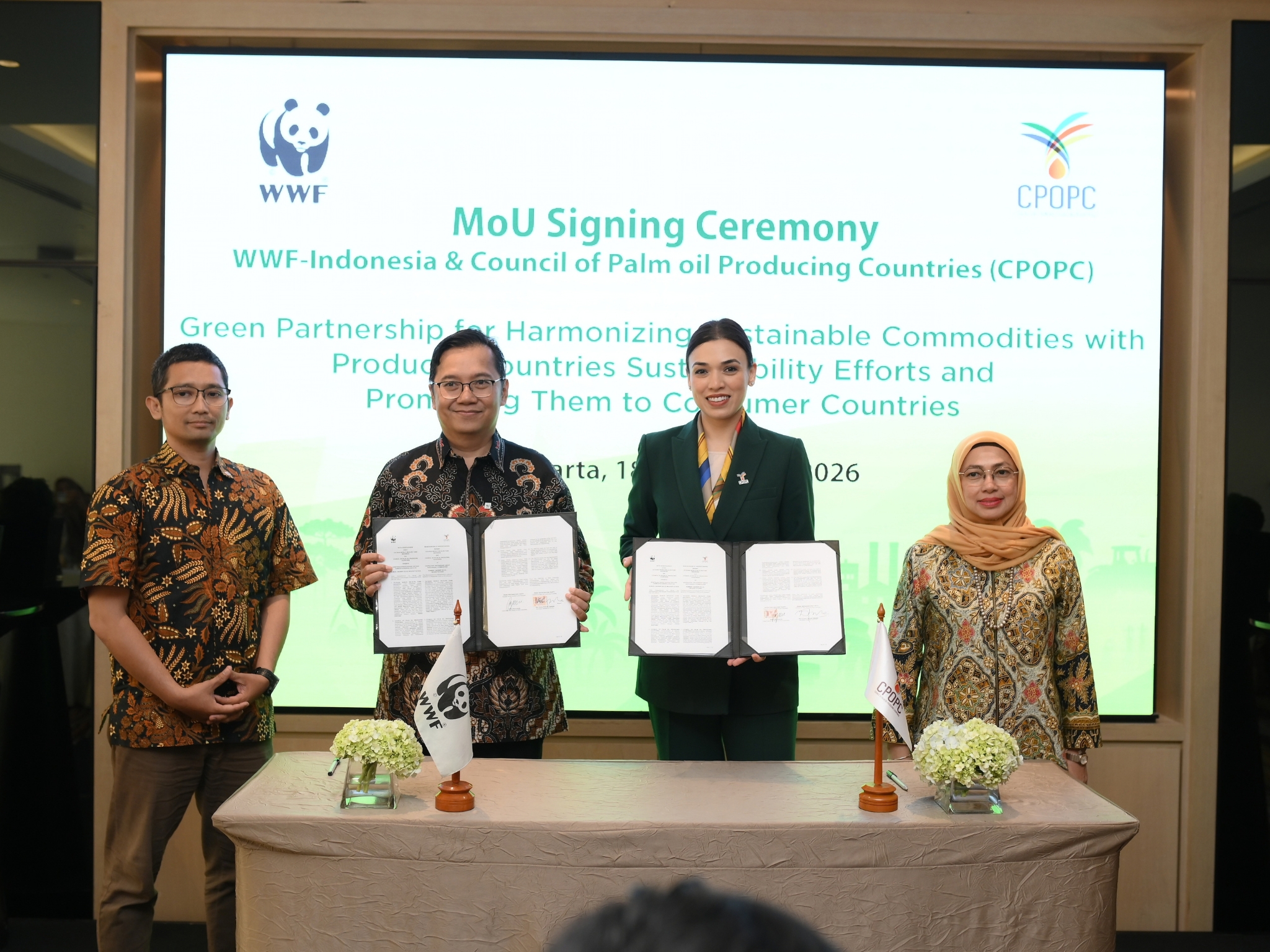
In response to the challenges facing the global palm oil industry, Indonesia and Malaysia jointly initiated the establishment of the Council of Palm Oil Producing Countries, an intergovernmental organization representing palm oil producing countries, in 2015, which now has four full member states and four observer member states after 10 years of development.
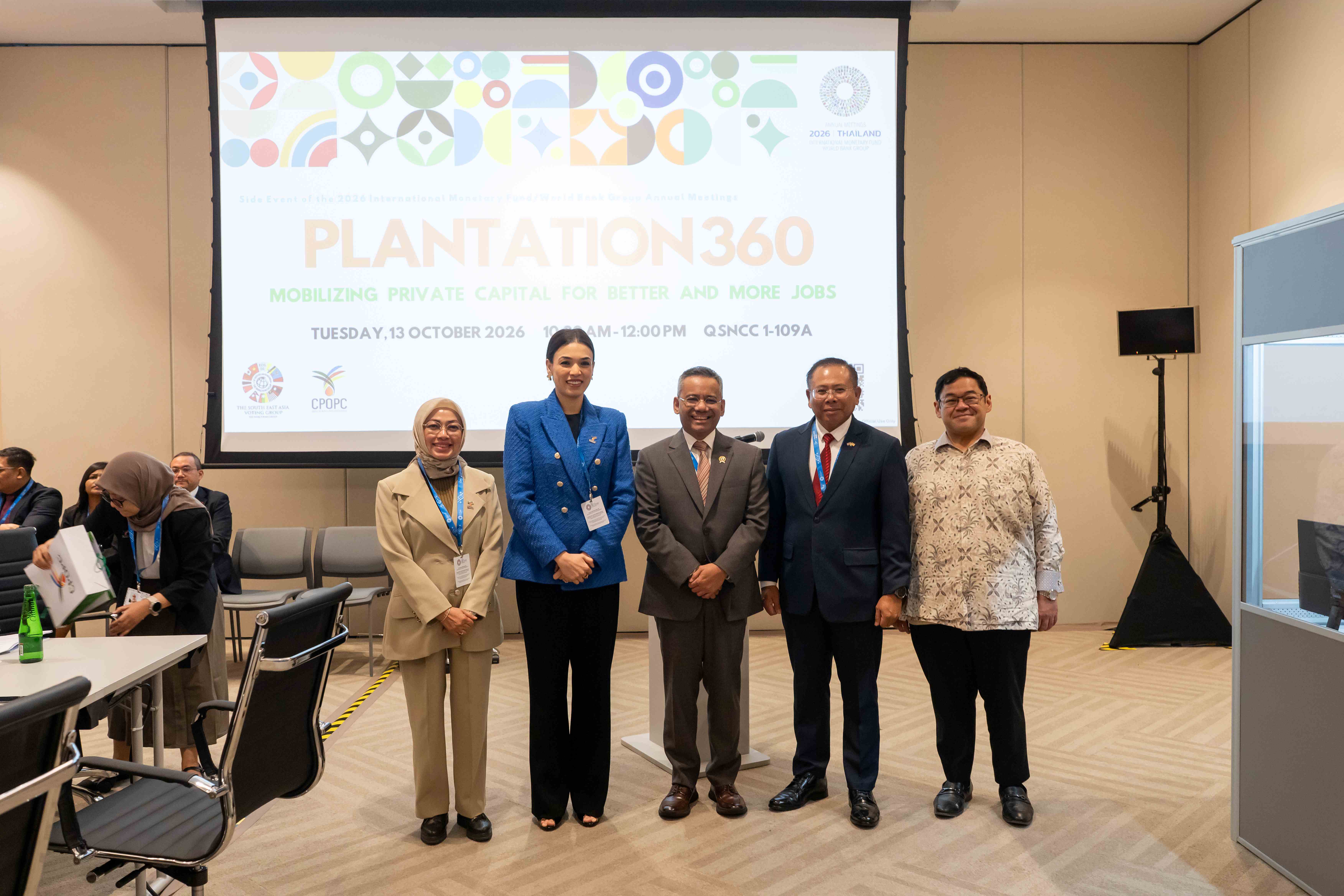
Rizal Affandi Lukman, secretary-general of the Council of Palm Oil Producing Countries, recently accepted an exclusive interview with a reporter from China Business News, saying that the Council of Palm Oil Producing Countries plans to organize a delegation to visit China in April this year. China is very important to palm oil producers and is the world's second largest palm oil importer after India. In addition to strengthening coordination within producing countries, the Council of Palm Oil Producing Countries also wished to strengthen ties with consumer countries.

China is the world's second largest importer of palm oil (Source: Provided by Malaysian Palm Oil Agency)
Palm oil consumption in China
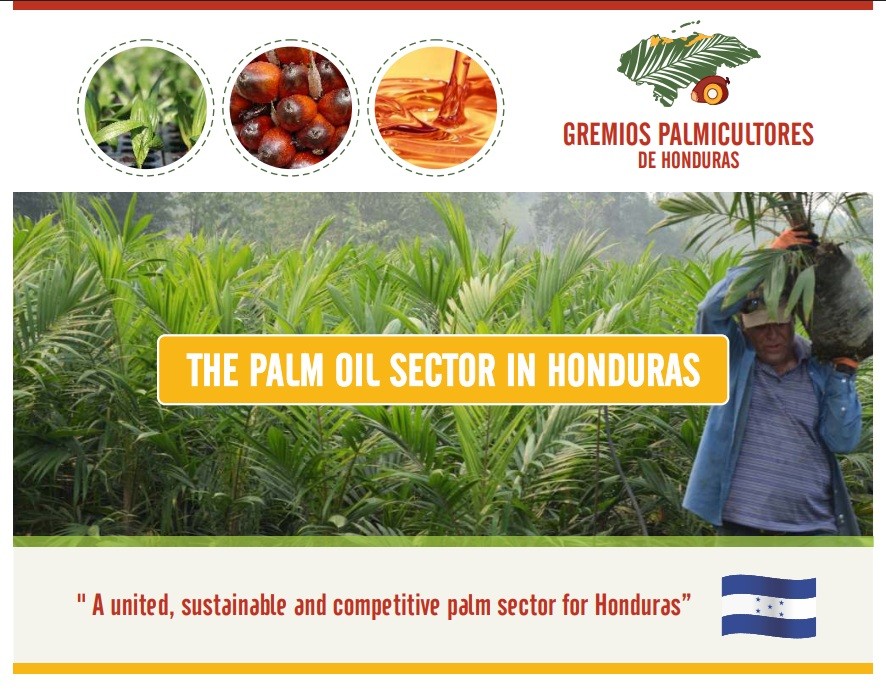
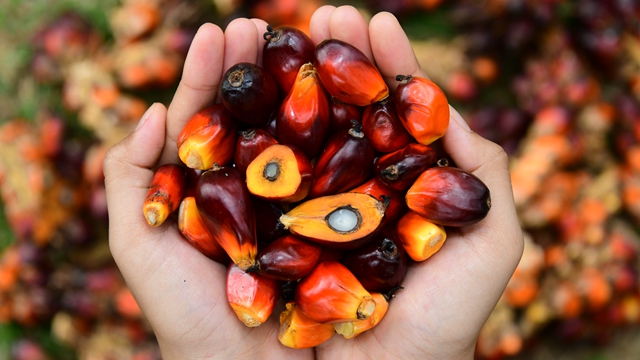
Palm oil is the oil pressed from the palm fruit on the oil palm tree, the oil palm tree is native to Africa, the four seasons flowering and fruiting perennial plant, can be harvested all year round, generally 2-3 years after planting, the fruiting cycle is as long as twenty or thirty years. Oil palm is currently the most efficient oil producing plant in the world, producing about 4 tons of oil per hectare, and the yield is about 6 times that of peanuts and 8 times that of soybeans.
In recent years, the proportion of animal oils and oils in the total consumption of fats and oils in the world has been declining, and the consumption of vegetable oil has increased year by year, and the importance of palm oil has grown. As the world's largest producer and consumed vegetable oil variety, palm oil is not only edible, but also widely used in industrial processing and other fields.
China needs about 6 million tons of palm oil every year, because there is no mass production in China, and almost all of it needs to be met by imports. Lookman told CBN that China, as an important palm oil consumer, is very important to the Council of Palm Oil Producers. In the future, when increasing membership, the Council hopes to reach out to and even include consumer countries.
Before the 21st century, rapeseed oil, peanut oil and cottonseed oil were dominated by domestic production, and then with the development of international trade, palm oil imports gradually increased.
In China's palm oil consumption, 70%-80% is used in the food industry and chemical industry, and only about 20% is used for catering consumption. And in the catering field, there is a substitution relationship between palm oil and other oils. For example, when the price of soybean oil rises, the demand for palm oil will increase, and if the price of soybean oil falls sharply, or even lower than the price of palm oil, palm oil consumption will decrease.
Lukman told CBN that large edible oil consumers like China and India cannot rely on a single edible vegetable oil to meet all demand, and fluctuations in price and supply are inevitable, so palm oil and other edible oils are not a simple competitive relationship, but need to work together to meet the needs of the consumer market.
Palm oil is widely used in the food industry, mainly due to its saturated fatty acid content of up to 50%. Due to the high proportion of saturated fatty acids, palm oil is not prone to violent oxidation reactions at high temperatures, and is more suitable for high-temperature cooking such as frying, and is most widely used in fried foods.
However, due to the mainstream view that excessive intake of saturated fatty acids will increase the risk of cardiovascular disease, some Chinese consumers are worried about its health problems, to which Lookman said that moderate intake will not affect health, and palm oil has its nutritional advantages, palm oil contains more tocotrienols, which is a type of vitamin E. At the same time, palm oil also contains more carotene, which can be converted into vitamin A in the body.
Palm oil production increased
Although both palm oil and oil are called "oil", their uses are very different. However, with the advancement of science and technology, palm oil and oil have achieved the same goal, and palm oil has become an energy source as biodiesel.
Lookman told CBN reporters that the main use of palm oil in Indonesia was edible, but now the palm oil used to produce biodiesel is much higher than edible. He said there is a need to strike a balance between the two uses, and if too much palm oil is used for biodiesel, it means that there will be less palm oil that families can afford.
In order to reduce its dependence on fossil fuel imports, Indonesia has been promoting biodiesel since 2008 with a blending ratio of 2.5%, or B2.5. Under the dual protection of subsidy incentives and policy promotion, Indonesia's biodiesel production capacity has entered a period of rapid expansion. In 2025, Indonesia is expected to implement a new B40 standard, which will increase the mandatory blending of palm oil in biodiesel to 40%.
Lukman said that this means that the proportion of palm oil used for energy purposes will be further increased, and in the context of Indonesia's palm oil production level not increasing significantly, it will not only affect Indonesia's domestic palm oil consumption structure, but may also put pressure on Indonesia's palm oil exports this year.
At the same time, due to environmental reasons and international pressure, Indonesia and Malaysia have pledged not to cut down forests to open up new oil palm plantations. Although palm oil has many advantages, its impact on the environment cannot be ignored. Oil palm is a water-consuming plant, and many growing countries have previously reduced the area of tropical rainforests in order to rapidly expand the area of plantations. Both Indonesia and Malaysia have implemented mandatory sustainability certification schemes, including Indonesian Sustainable Palm Oil (ISPO) and Malaysian Sustainable Palm Oil (MSPO).
Against the backdrop of the relative difficulty of increasing production in Indonesia and Malaysia, Lukman told CBN that the Council of Palm Oil Producers is working with member states and observer states in Africa to increase palm oil production in these countries, which can not only improve the well-being of local smallholder farmers and promote socio-economic development, but also open up a new path for the sustainable development of the palm oil industry.
In the West African country of Ghana, smallholder farmers produce only half of the global average of palm oil per hectare. The Council of Palm Oil Producing Countries helps improve local agricultural practices to increase smallholder farmers' productivity by sharing experiences from Indonesia and Malaysia. By tapping the potential of global palm oil production, we strive to achieve supply chain stability and contribute to global food and energy security.
Recent Pressroom