Transition Momentum Strengthens
CPOPC conducted a mission to two observer countries, Ghana and Nigeria, in mid-February 2026 to strengthen engagement with key stakeholders on the strategic role of palm oil in supporting food security, rural livelihoods, and agro-industrial growth. The mission reaffirmed CPOPC’s commitment to practical South–South cooperation through experience-sharing and the exchange of good agricultural practices, with a focus on building resilient and inclusive palm oil value chains.
Ghana: Policy Momentum and Membership Discussions
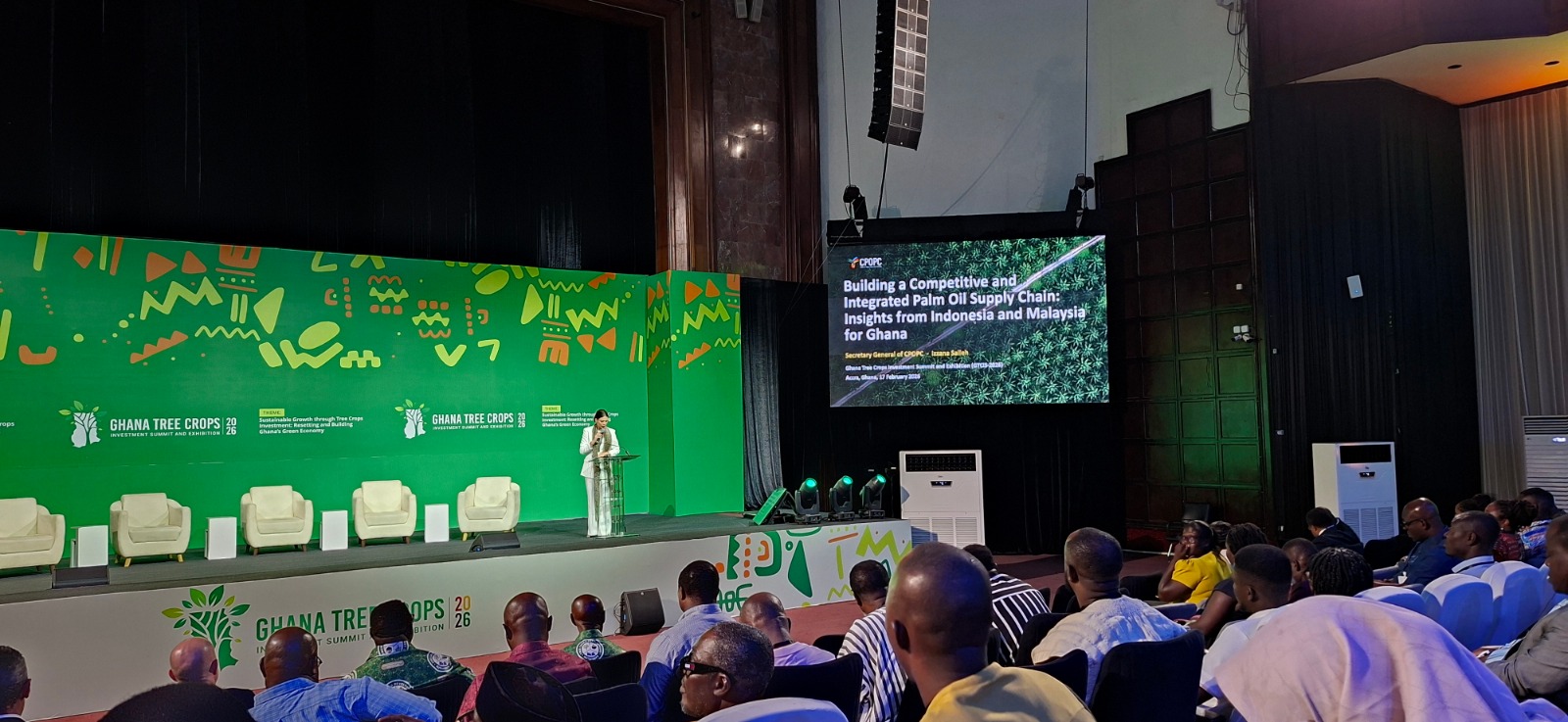
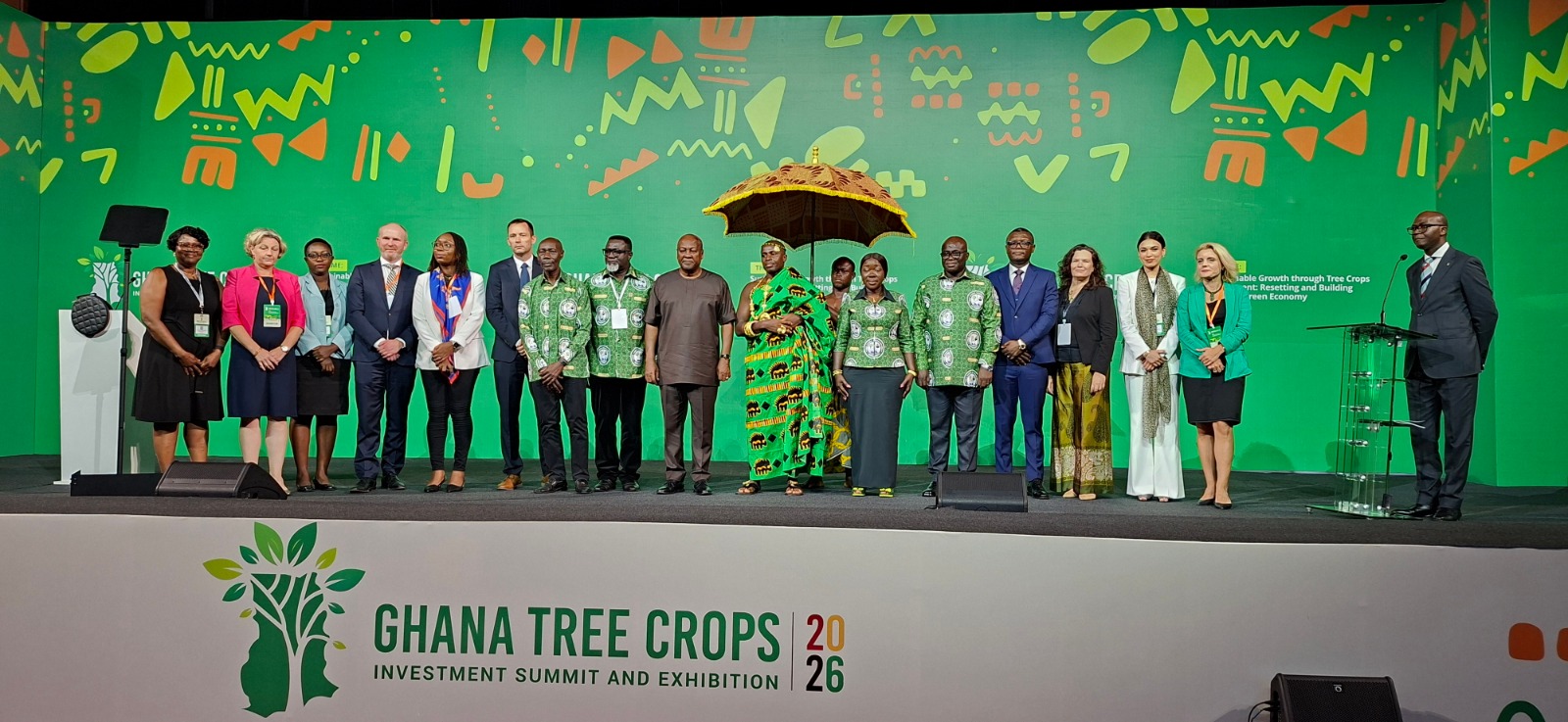
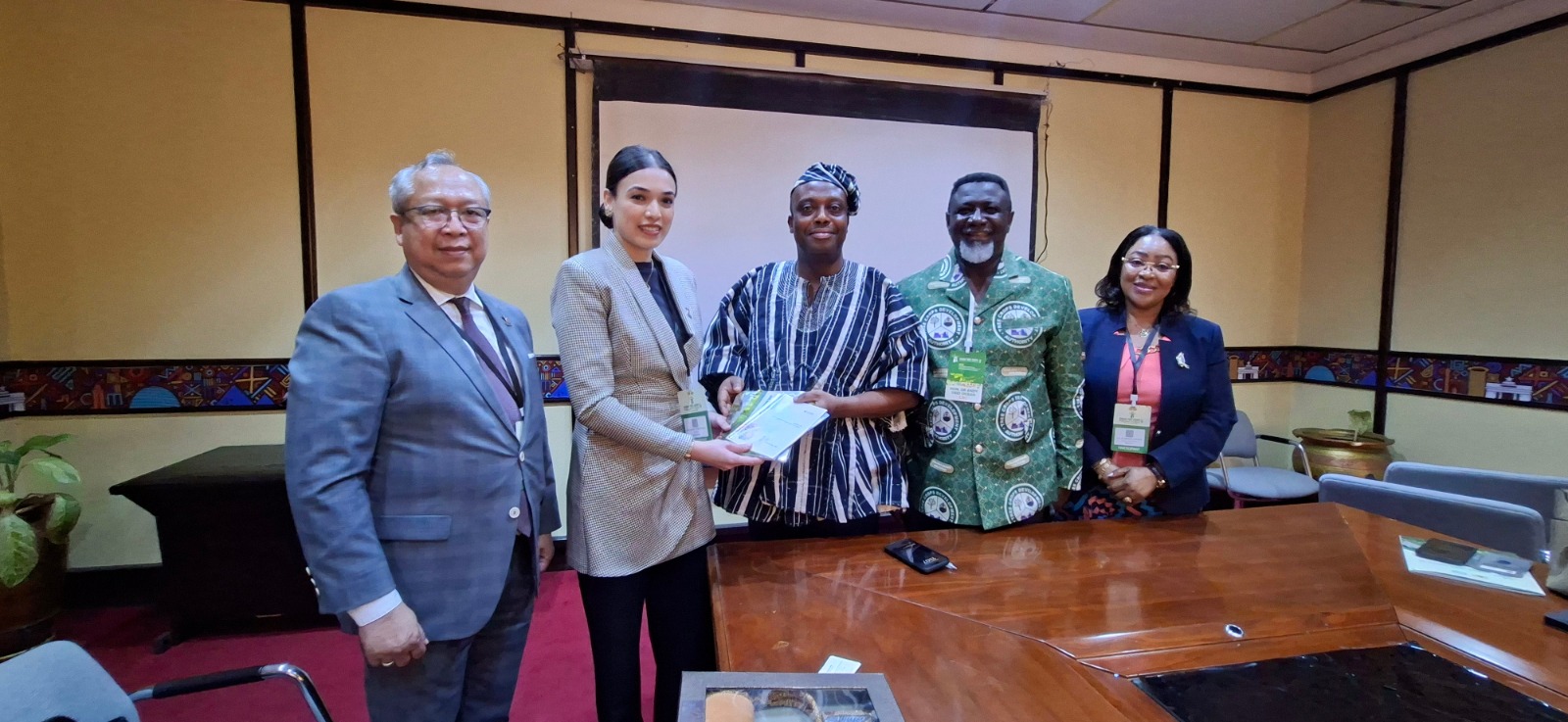
In Accra, CPOPC Secretary-General Madam Izzana Salleh participated in the Ghana Tree Crops Investment Summit & Exhibition (GTCIS-2026), 17–18 February 2026 and delivered remarks at the opening ceremony attended by H.E. President John Dramani Mahama, His Royal Majesty Otumfuo Osei Tutu II, and other distinguished participants. CPOPC underlined that Ghana’s tree crops have long anchored rural livelihoods and foreign exchange earnings, and that palm oil presents a timely opportunity amid rising vegetable-oil demand across Africa.
CPOPC also conveyed a clear development message, noting that the import gap should be seen as an opportunity to accelerate domestic value creation. This aligns with Ghana’s 2026 Budget, which states that the country imports about 200,000 metric tonnes of crude palm oil annually, costing over US$200 million. The Budget further highlights Ghana’s National Policy on Integrated Oil Palm Development (2026–2032), including targets to develop 100,000 hectares of new plantations and create 250,000 jobs across the value chain.
To support implementation, Ghana’s 2026 Budget also announces the establishment of a US$500 million Oil Palm Development Finance Window to be set up in collaboration with World Bank, other development finance institutions, and Development Bank Ghana. The facility is intended to provide long-term financing for the sector, including a five-year grace period, while placing smallholders at the centre of the policy.
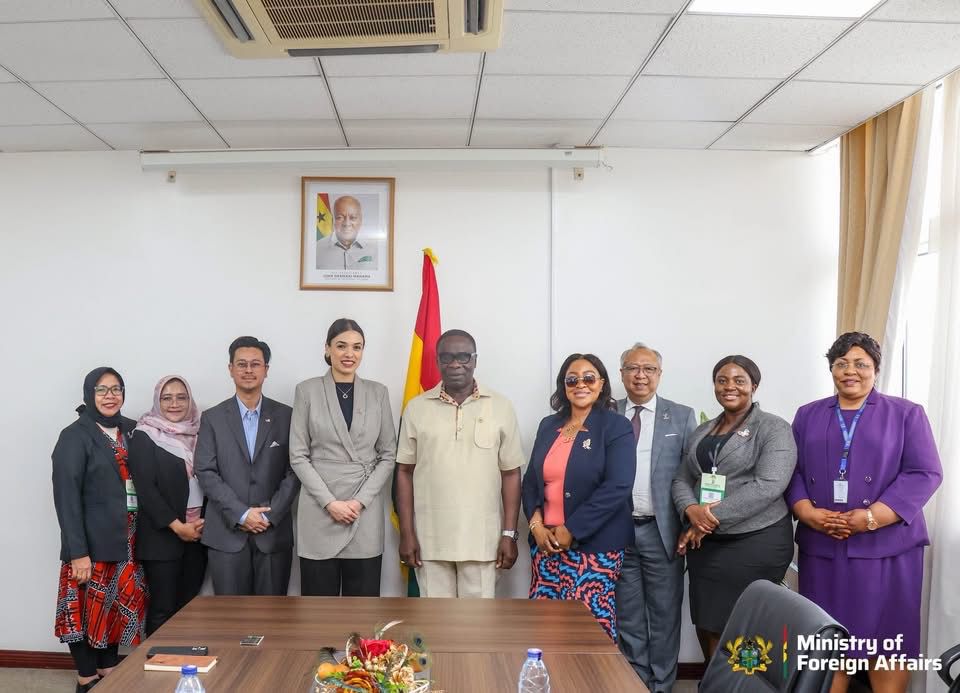
As part of its official engagements in Ghana, CPOPC held discussions with the Ministry of Finance, represented by Deputy MinisterHon. Thomas Nyarko Ampem, and Ministry of Foreign Affairs, represented by Deputy Minister Hon. James Gyakye Quayson, MP, focusing on Ghana’s transition from observer status, obtained in 2020, to full membership in CPOPC. Both sides reached a common understanding to pursue Ghana’s full membership endorsement at the 31st Senior Officials’ Meeting (SOM) in April 2026.
Nigeria: Strengthening Cooperation to Boost Domestic Capacity
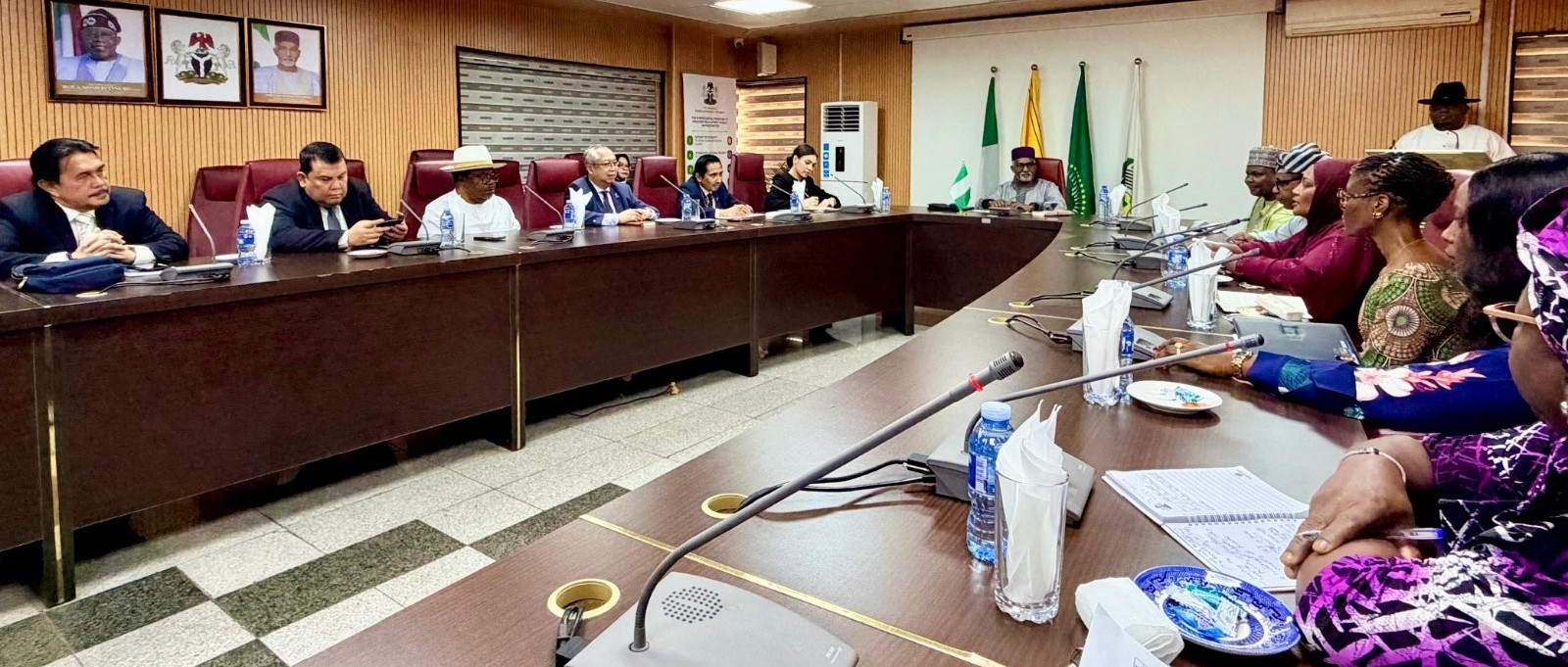
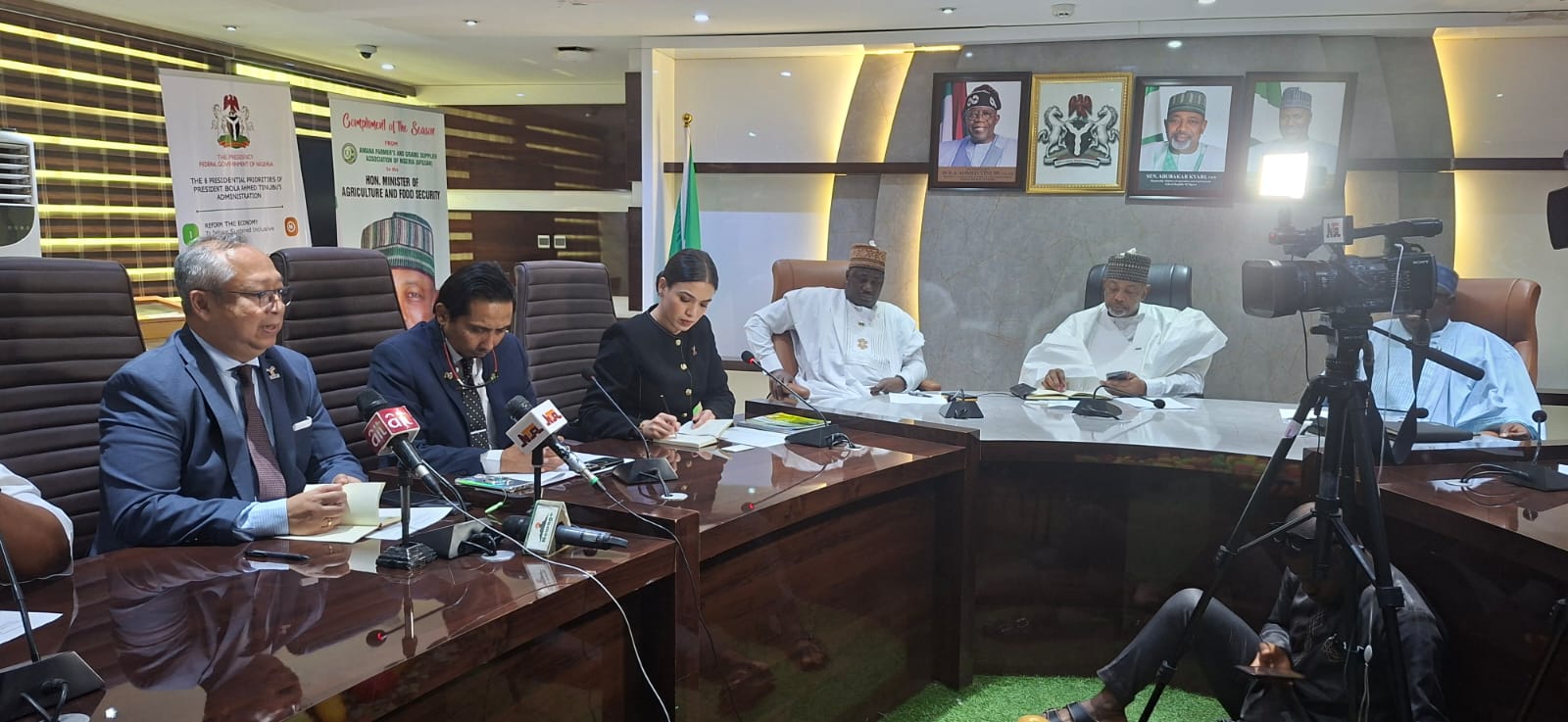
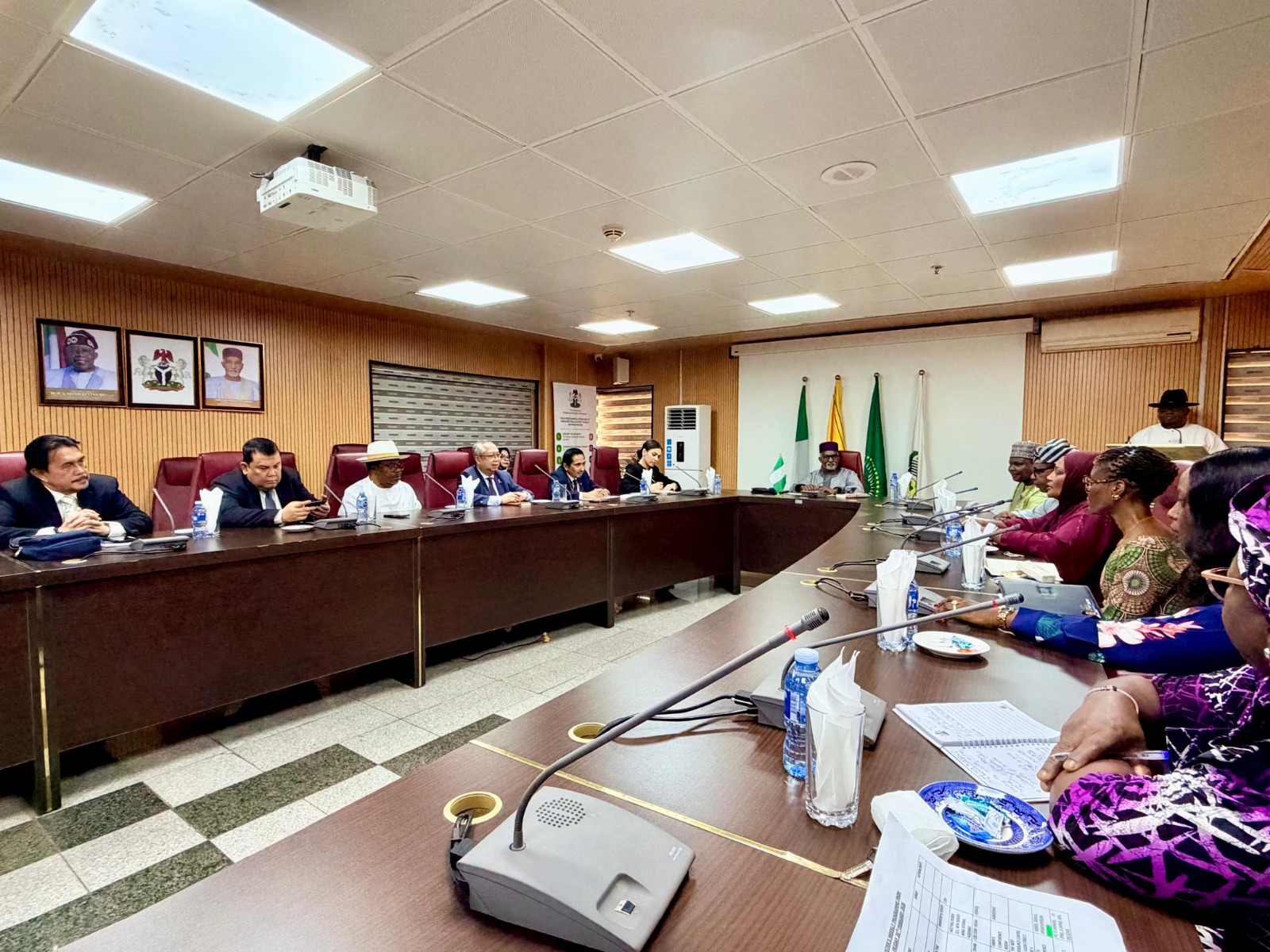
The mission continued in Abuja on 21 February 2026, where CPOPC engaged the Ministry of Foreign Affairs and the Ministry of Agriculture and Food Security on Nigeria’s membership pathway and cooperation opportunities to strengthen the sector. Nigeria’s Minister of Foreign Affairs, H.E. Ambassador Yusuf Maitama Tuggar (OON), emphasized the importance of advancing the status transition, while the Minister of Agriculture and Food Security, Sen. Abubakar Kyari, highlighted Nigeria’s concern over an estimated US$600 million annual palm oil import bill and underscored the importance of improved and climate-smart planting materials to build domestic capacity and productivity.
Looking Ahead
Looking ahead, the mission reaffirmed the increasing importance of palm oil within the national development priorities of both Ghana and Nigeria. It also highlighted encouraging progress in discussions on the transition from observer country status to member country status in CPOPC, reflecting a shared commitment to deepen cooperation and strengthen participation in the Council’s work. Through continued dialogue and practical collaboration, CPOPC remains ready to support both countries in advancing sustainable, inclusive, and resilient palm oil sector development.
Recent Pressroom